Skip Hire in Stratford

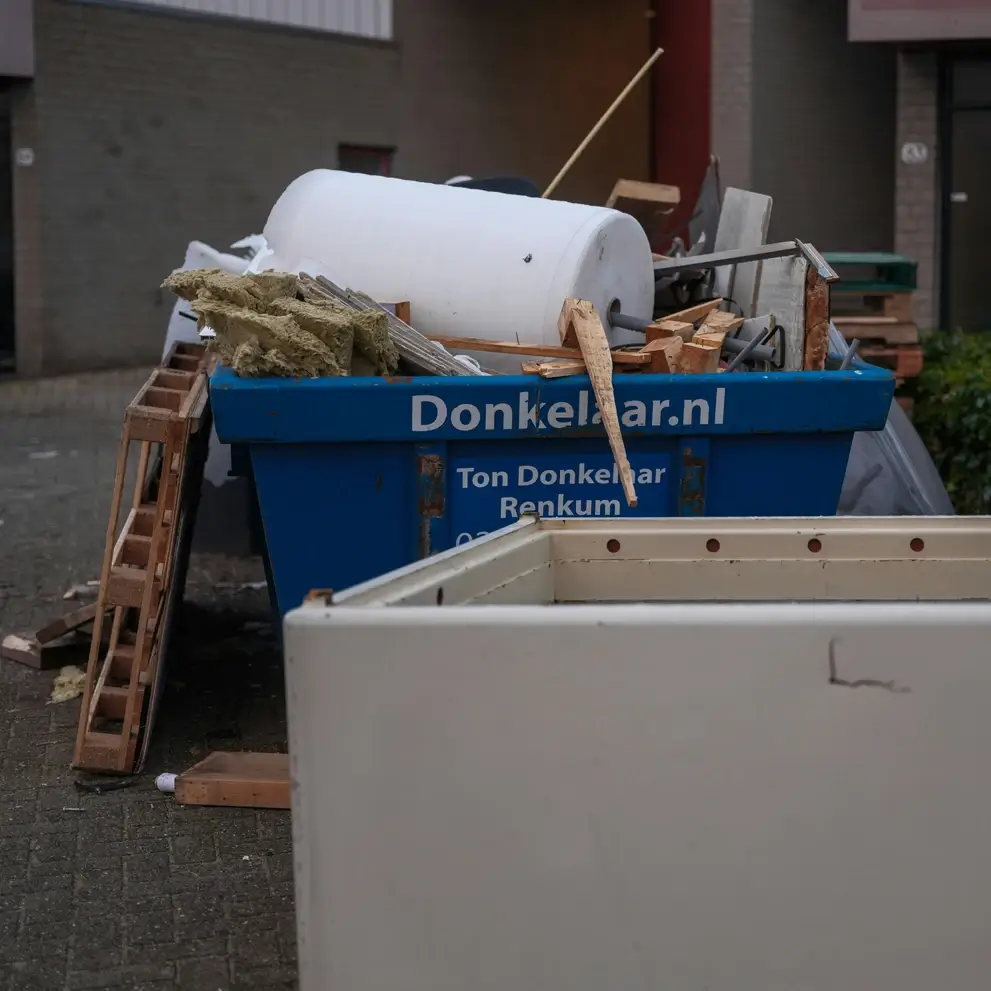
Skip hire in Stratford is a practical way to manage household, trade and site waste when bags alone are no longer enough. Our service is arranged around straightforward container sizes, sensible loading guidance and clear collection planning, so customers can choose a skip that fits the job rather than over-ordering. Whether the waste comes from a home clear-out, a refurbishment or a busy workspace, the aim is to make disposal organised, lawful and easy to plan.
We support a wide range of waste types through skip hire, with options that suit general mixed rubbish as well as more focused projects such as building work or domestic decluttering. The service is useful when items are awkward, bulky or too heavy for repeated trips to a tip, and when keeping the site tidy matters as much as removing the waste itself. If you already know the volume you need, you can also compare skip sizes and prices before making an enquiry.
For many customers, the most helpful first step is simply to think about the waste stream, access and loading space. If there are bricks, timber offcuts, old fixtures or mixed household items, the skip can usually be selected to reflect the heaviest part of the job rather than the lightest. That makes planning easier, and it reduces the risk of choosing a container that is too small or unsuitable for the available space.
Choosing the right skip for the job
Different projects generate different kinds of waste, and a good skip choice begins with what is likely to be thrown away. Refurbishment work often creates dense waste that fills a container quickly, while general clear-outs can contain lighter but more awkward items. We help customers match the container to the material, not just the headline size, so the hire feels practical from the outset. Builders skip hire is often the best fit for renovation and trade waste, while domestic clearances may need a more general arrangement.
For properties with limited room, access matters just as much as volume. A skip may need to sit on a driveway, forecourt or suitable roadside position, and the loading point should be convenient enough for safe use. Where a traditional drop-off is not ideal, wait and load skip hire can be a useful alternative because the waste is loaded while the vehicle remains present, avoiding the need for a longer stationary container in some locations. The best option is the one that suits the site layout and the waste being removed.
When a smaller container is enough
Smaller skips are often appropriate for loft clear-outs, small garden work or modest renovation tasks. They can be easier to position and may be more convenient where access is tight or neighbours are close by. It is usually better to plan around the weight and shape of the waste than to guess by eye, because compact heavy waste can fill a container differently from light, bulky items. For that reason, the service is most effective when the waste type is considered alongside the amount.
Domestic skip hire for homes and clear-outs
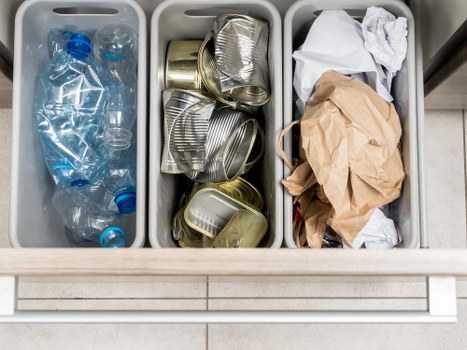
Domestic projects are a major part of skip hire, and they often involve mixed waste created over several rooms or from outdoor spaces. Domestic skip hire supports jobs such as clearing cupboards, removing old furniture, tidying sheds, or dealing with renovation leftovers from a bathroom, kitchen or bedroom update. The benefit is that waste can be gathered in one place instead of being sorted into repeated car journeys or piled up while the work continues.
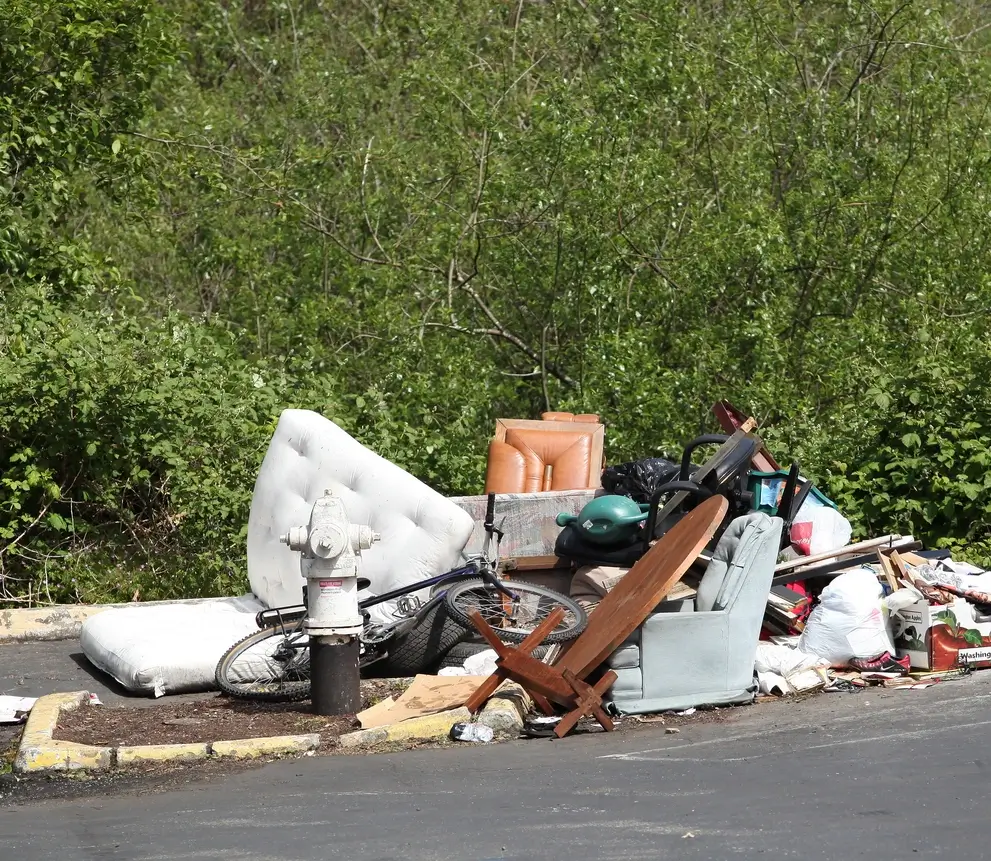
Some household jobs need related removal services rather than a standard skip alone. Where the load contains particularly large items, it may be useful to look at house clearance or garage and loft clearance if a more hands-on removal approach is preferable. For mattresses, sofas or white goods, dedicated disposal routes such as mattress and sofa disposal and fridge and appliance removal can be more suitable than mixing them with general waste. Choosing the right route helps keep the job orderly and avoids unnecessary handling later.
If you are arranging a home project, prepare a short note of the items involved and any access limits, then consider whether the waste will be mainly light, bulky or heavy. A clear list makes it easier to compare options and avoid overfilling the container. You can also use the what can go in a skip guidance when you are sorting through mixed household material and want to separate ordinary waste from restricted items before collection.
Commercial and trade waste support
Busy premises and active workspaces generate waste in a different rhythm from domestic jobs, so the arrangement has to keep pace with the site. Commercial skip hire is a practical option for offices, retail premises, property managers and contractors who need waste removed without letting it accumulate. The service can support planned refurbishments, clearances between tenancies, routine maintenance work or one-off clean-ups after a demanding project.
Trade waste often combines packaging, broken fittings, timber, plasterboard, fixtures and other mixed materials, so disposal needs a sensible plan rather than a single generic approach. Construction waste disposal and construction waste clearance are helpful where the waste comes from active building work, while demolition waste removal is better suited to heavier debris and stripped-out material. If the site is large or the spoil is loose, grab hire services may also be worth considering because they can support fast removal of bulky loads.
- Plan the type of waste first, then choose the disposal route that matches it.
- Keep access clear for loading, collection and any vehicle movement.
- Group similar materials where possible to make sorting easier.
- Check whether the project creates heavy debris, light mixed waste or bulky fixtures.
Site, builders and demolition waste

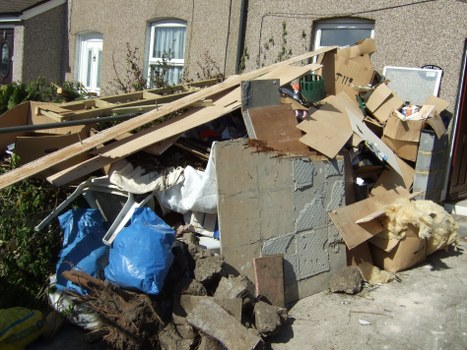
Construction and demolition jobs can create a constant stream of waste, from plaster and rubble to timber, metal and stripped-out fittings. These materials need a service that can cope with both volume and weight without complicating the work on site. Our approach is designed to help keep the area clear enough for trades to continue safely and efficiently, while waste is moved away in an organised way. For many projects, builders waste removal is the most direct choice when waste is generated as part of ongoing work rather than a single clean-up.
Site clearance is useful when the aim is to empty a plot, yard or work area of mixed unwanted material before the next phase begins. That can include leftover building waste, loose debris, old fixtures, packaging and other items that are no longer needed. Where the waste is particularly heavy or the ground is difficult to access, grab lorry hire can help with larger volumes of spoil and mixed site material. The right choice depends on whether the job is best handled in a container or lifted away more directly.
Good planning matters on active sites because waste builds up quickly and can interfere with movement, storage and safety. Keep the disposal route in step with the work schedule, and think about where vehicles can reach without obstructing other tasks. If you need to combine clarity on what goes in with the practicalities of loading, a short check of permitted materials helps the process run smoothly from the start.
Handling heavier and mixed waste streams
Not every job produces the same kind of rubbish, and some waste streams are better separated or handled with more care. The service can be adapted to heavier loads, mixed debris and awkward items when the right disposal route is selected early. For example, muck away services are relevant to soil, hardcore and similar materials, while general rubbish removal may be more suitable for straightforward mixed clearances that do not require a container on site. Matching the method to the material keeps the job efficient.
Some projects also produce waste that should not be treated as ordinary mixed rubbish. Hazardous waste disposal is the appropriate route for items that need specialist handling, and it should be considered separately from routine skip hire. In the same way, recycling and sustainability information is useful when you want to understand how different waste streams are managed after collection. The main point is to separate the unusual from the ordinary before the container is filled.
When a job includes multiple material types, it is sensible to split the work into stages rather than bundling everything together without thought. The service can then be matched more closely to the waste that is actually being generated, which supports cleaner loading and easier removal. If the contents are not straightforward, ask yourself whether the material is general, bulky, heavy or restricted before deciding on the next step.
About Stratford
Stratford is an area in East London with a long history of change shaped by transport, industry and large-scale redevelopment. It sits within the London Borough of Newham and is known for its position around key rail and road connections in the Lower Lea Valley. The area’s modern identity has been strongly influenced by the transformation associated with the 2012 Olympic and Paralympic Games, yet its character also reflects earlier layers of settlement, commerce and manufacturing. The former industrial land around the valley was once tied to canals, railway infrastructure and warehousing, and traces of that working past still inform the wider landscape. Stratford’s transport role has been significant for decades, with Stratford station and nearby links helping to make it a major interchange for local and regional travel. Westfield Stratford City added a large retail and leisure presence, while the Queen Elizabeth Olympic Park brought new open space, waterways, venues and housing to the east of the district. The park includes a network of paths, planted areas and restored water corridors that connect different parts of the neighbourhood and create a more open setting than older dense urban streets nearby. Cultural life in Stratford is also visible in venues such as the Theatre Royal Stratford East, which has been part of the area’s arts landscape for generations. The mixture of older terraces, post-war development and newer mixed-use schemes gives Stratford a layered streetscape rather than a single architectural style. In that sense, it is a district where transport, retail, sport, entertainment and housing sit side by side, making the area one of East London’s most recognisable urban centres.
Skip permits, access and practical planning
Some skip hire arrangements need a little more planning than others, particularly where space is tight or the container may need to sit on the public highway. Skip permits are relevant when the skip cannot be placed entirely on private land, and it is worth checking this early so the hire can be arranged without delay. For customers who want a smoother setup, accessibility statement information may also be useful if they are reviewing how a website or booking process is presented, but the practical hire itself still comes down to site access and container placement.
It helps to think through three simple points before confirming a booking: how much space is available, where the waste will come from, and how the container will be loaded. A driveway, forecourt or yard may be straightforward, while a narrower street can require more care. If the waste is likely to be loaded quickly, a more flexible arrangement may be preferable; if the work will take longer, a standard skip can be the better fit. This is usually the point where a simple photograph or written description of the access is most useful.
For customers comparing different disposal routes, it can also help to check whether the job is best handled as skip hire, rubbish removal or a specific waste service. Each option has a different balance of convenience and suitability, and the best choice depends on the material and the setting. A brief description of the job is usually enough to begin, especially when paired with a note of any access restrictions.
Pricing, loading and what affects the quote

Several practical factors can shape a skip hire quotation, including the size of the container, the type of waste, the length of hire and any access or permit requirements. Heavier waste can affect the way a skip is selected, while more awkward or mixed material may also influence the most appropriate service. Pricing and quotes information is useful when you want to understand how the hire is structured before you place an order, and it can help you compare the likely fit for the job.
Loading also matters, because overfilling or placing prohibited material in the container can lead to complications later. That is why the service works best when the contents are sorted with a little care at the beginning. If you are unsure whether a particular item is suitable, review the waste guidance before you add it to the skip. What can go in a skip provides a practical reference point for common household and trade materials, helping you separate standard waste from items that may need a different route.
When you are ready to move forward, keep your enquiry simple and specific: say what you are disposing of, where the waste is located, and whether the job is domestic, commercial or site-based. Then request a quotation and choose the disposal route that best suits the waste, the access and the schedule. If you would like to go ahead, book online or make an enquiry for a quotation.
Organising waste removal around your project
Skip hire works best when it is planned around the rhythm of the project rather than treated as an afterthought. A home refurbishment may need the container positioned before the mess starts building, while a commercial or site job may benefit from staged removal as different phases finish. By thinking ahead, you can keep the work area tidier and reduce the time waste sits around unused. That approach is particularly useful when several people are working in the same space.
For many customers, the choice comes down to how the waste is generated. A one-off clear-out may be suited to a general skip, while an ongoing trade job may need a more targeted service such as builders waste removal, construction waste clearance or site clearance. If the contents are mainly soil or hardcore, a more specialised route can be better. If the waste includes bulky items, such as cupboards, broken fittings or old furniture, the loading plan should reflect that from the start. The aim is to keep the process as straightforward as possible without wasting space or time.
When you request a quotation, it helps to mention the waste type, the likely amount and whether the container will be kept on private ground or need a permit. Clear details lead to a better match, and they also reduce back-and-forth later. If you are still deciding between options, compare the service pages, think about the material, then ask for a quotation once the job is clear.